- Proof Of Intel
- Posts
- FTX Execs Get Corporate Timeouts, Hayes Declares Altcoin Season Happened (You Missed It), Lummis Exits Stage Left, and AI Unicorns Defy Math!
FTX Execs Get Corporate Timeouts, Hayes Declares Altcoin Season Happened (You Missed It), Lummis Exits Stage Left, and AI Unicorns Defy Math!
SEC bans, altcoin reality checks, crypto's Senate champion calls it quits, and a startup worth a billion with $4M revenue – because AI makes everything make sense, right?

Mochi
December 21, 2025

Hey there, PoI readers! 💫
It's your favorite crypto connoisseur, Mochi, back with another serving of tantalizing tech and web3 news. From FTX executives getting the corporate timeout treatment and Arthur Hayes calling out missed altcoin opportunities to Senator Lummis throwing in the towel and AI startups hitting unicorn status with basically no revenue, we've got a lot to unpack. So, buckle up and get ready for a wild ride through the wonderland of digital assets!
INTEL BRIEF
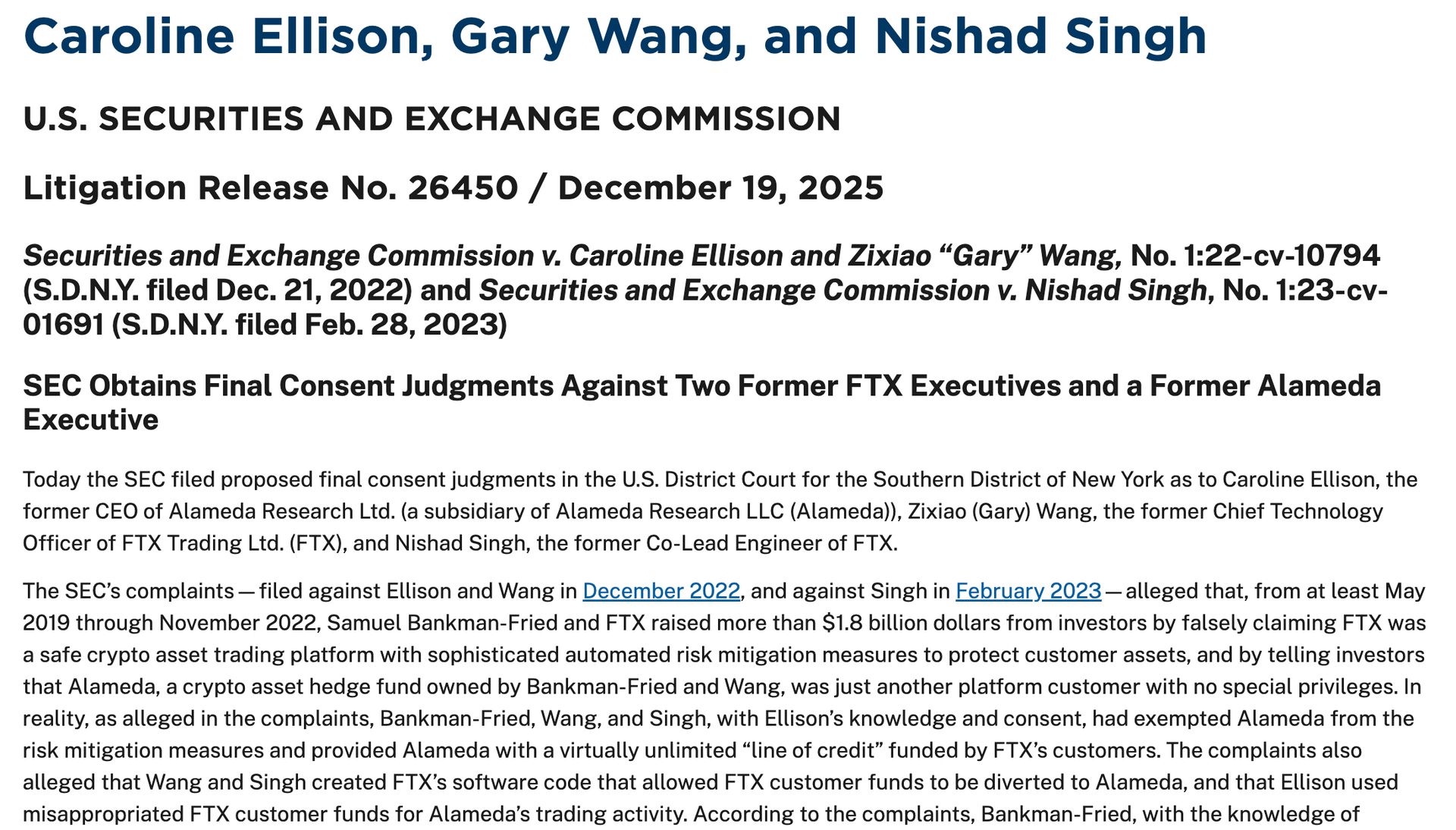
🟧 The SEC has officially banned former FTX and Alameda executives Caroline Ellison, Gary Wang, and Nishad Singh from holding company leadership positions for 8-10 years following their roles in the FTX collapse.
🟧 BitMEX co-founder Arthur Hayes claims altcoin season has been happening all along, but traders missed it by waiting for old narratives to repeat instead of spotting new winners like Hyperliquid and Solana.
🟧 Pro-crypto Wyoming Senator Cynthia Lummis announced she won't seek reelection in 2026, leaving a significant gap in Congress as one of the most vocal advocates for digital asset legislation.
🟧 Resolve AI, a startup automating site reliability engineering with AI, has raised a Series A at a $1 billion headline valuation despite having only $4 million in annual recurring revenue—proving the AI hype train has no brakes.
BFormer FTX and Alameda Executives Face Decade Long Leadership Bans from the SEC

The SEC just dropped the hammer of corporate justice on the former FTX dream team, and spoiler alert: they won't be running any companies for a while.
Caroline Ellison, the former Alameda Research CEO, just agreed to a 10-year officer-and-director bar, which is basically the corporate equivalent of being grounded—except instead of missing prom, you're missing out on leading billion-dollar companies. Her former colleagues Gary Wang and Nishad Singh got slightly shorter timeouts with eight-year bars each. All three are also slapped with five-year "conduct-based injunctions" because apparently, the SEC believes in the buddy system when it comes to keeping people in check.
Source: SEC
So what did they actually do? According to the SEC, these three were allegedly the architects behind giving Alameda a "virtually unlimited line of credit" funded by—wait for it—FTX customer funds. Wang and Singh reportedly created the software code that made this financial magic trick possible, while Ellison used those misappropriated funds for Alameda's trading shenanigans. It's believed to be one of the most spectacular cases of "borrowing" without asking in crypto history.
Meanwhile, the mastermind himself, Sam "SBF" Bankman-Fried, is serving a 25-year sentence and currently waiting on his appeal results. As for Ellison, she's getting out early! After testifying against SBF (because loyalty only goes so far when prison time is on the line), she's scheduled for release on February 20th—about nine months ahead of schedule, possibly thanks to good-conduct credits.
Caroline Ellison banned for 10 years, Wang and Singh for 8 years from company leadership rolesAll three allegedly helped divert FTX customer funds to Alameda Research with unlimited credit linesEllison getting early release in February 2025, about 9 months early with good behavior creditsBitMEX Founder Says You Missed Altcoin Season Because You Bought the Wrong Coins

Attention crypto traders still refreshing CoinMarketCap waiting for altcoin season: according to BitMEX co-founder Arthur Hayes, you might want to check your glasses because apparently, it's been here the whole time. You just weren't invited to the party.
In a recent podcast interview, Hayes dropped what can only be described as a spicy truth bomb: "There is always an altcoin season happening… and [if you're] always saying altcoin season isn't there, [it's] because you didn't own what went up." Ouch. That's the financial equivalent of telling someone they missed the bus because they were waiting at the wrong stop.
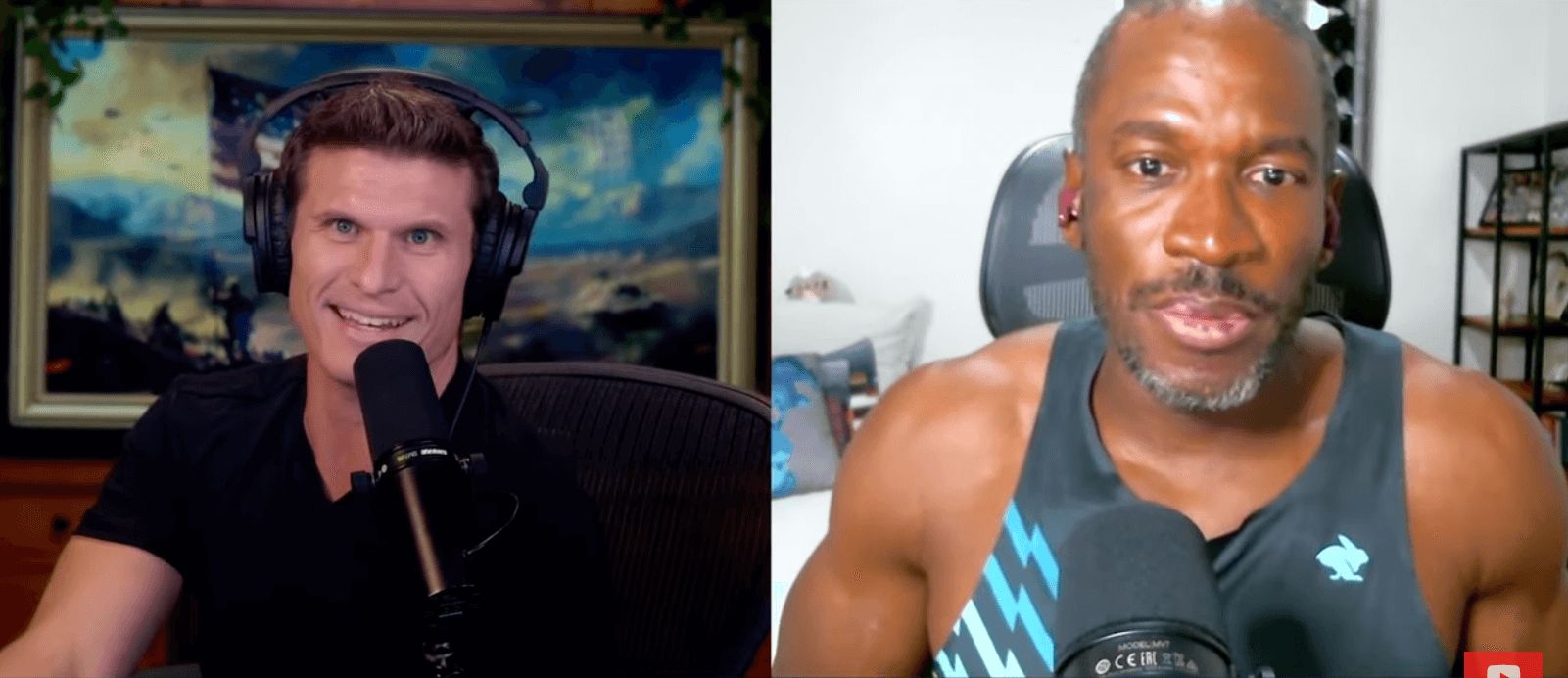
Arthur Hayes (right) spoke to Kyle Chasse (left) on his podcast on Thursday. Source: Kyle Chasse
Hayes believes too many traders are stuck in the past, expecting the same narratives and cryptocurrencies to pump like they did in previous cycles. "You wanted it to be like last altcoin season, because then you felt like you knew what you had to do," he explained. Basically, traders are out here playing the same old playbook while the market has already moved on to a completely different game.
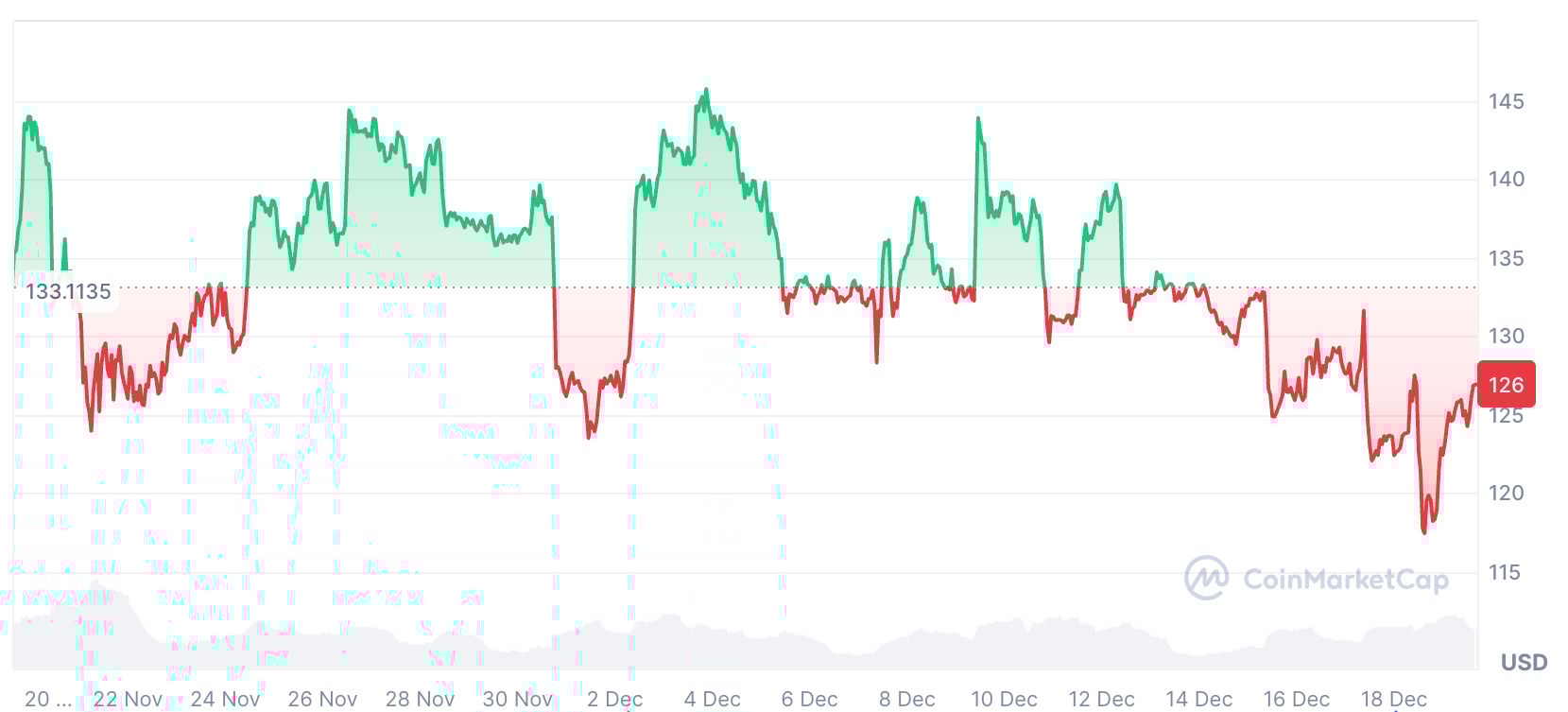
Solana is down 6.27% over the past 30 days. Source: CoinMarketCap
His advice? "Adjust" and stop living in 2021. Hayes pointed to Hyperliquid as the "best story" of this cycle, launching at two or three bucks before "ripping all the way to $60." He also mentioned Solana, which crashed to nearly seven dollars in 2022 before surging to almost $300 earlier this year. "Again, there's been altcoin season. You just didn't participate in it," he said—and honestly, that stings a little.
Not everyone's buying Hayes' hot take, though. CoinQuant CEO Maen Ftoui recently told Cointelegraph that older cryptos with ETFs or expected ETFs will likely dominate the next altcoin season, soaking up most of the capital.
Arthur Hayes claims altcoin season never left—traders just missed the winners by waiting for old patternsHyperliquid and Solana cited as proof, with massive gains this cycleIndustry divided on whether traditional rotation will happen or if ETF-backed cryptos will dominatePro Crypto Senator Cynthia Lummis Steps Away After Feeling Like a Sprinter in a Marathon
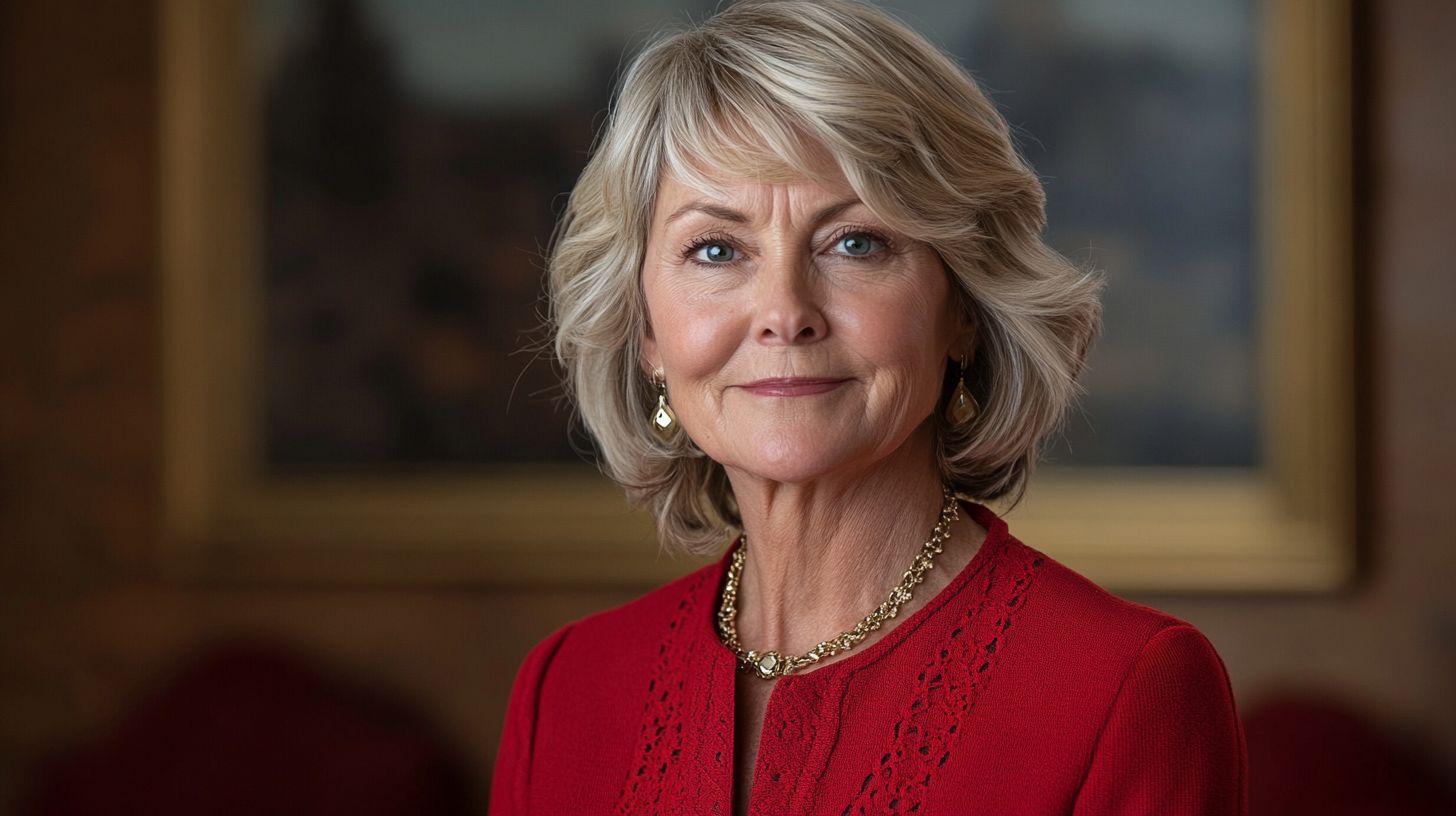
Wyoming Senator Cynthia Lummis—arguably one of the most pro-crypto voices in Congress—announced she won't be running for reelection in 2026. And honestly? She's just tired.
"I am a devout legislator, but I feel like a sprinter in a marathon. The energy required doesn't match up," Lummis said in a Friday X post. Translation: six more years of Congressional chaos sounds about as appealing as holding Luna Classic through the Terra collapse. The Senator, who took office in January 2021, quickly became known as a blockchain and Bitcoin-focused politician who later aligned herself with President Donald Trump's crypto agenda.
Lummis has been one of the key Republicans pushing the digital asset market structure bill through Congress—a piece of legislation that passed the House of Representatives in July but has been stuck in Senate purgatory ever since. The bill has been debated in both the Senate Banking Committee (where Lummis holds a seat) and the Senate Agriculture Committee, but it never made it to a floor vote before everyone decided to peace out for the holidays. Classic Washington.
With Lummis heading for the exit, it's unclear who might fill her crypto-crusading cowboy boots. The 2026 midterms will see all 435 House seats and 33 Senate seats up for grabs, potentially flipping control back to the Democrats. North Carolina Senator Thom Tillis reportedly expressed concern back in October that pushing the market structure bill to 2026 could seriously hamper progress because, you know, election drama.
Stand With Crypto, the advocacy org that's been rallying crypto voters, speculated that Congressional votes on the market structure bill could become a major deciding factor for voters next year.
Senator Cynthia Lummis won't run for reelection in 2026, citing exhaustion from Congressional marathonLummis is a key Republican pushing crypto market structure legislation that passed the House but stalled in Senate2026 midterms could reshape crypto policy with all House seats and 33 Senate seats up for grabsEx Splunk Executives Build AI Powered SRE Tool and Instantly Become Unicorn Startup

AI Startups Getting Wild Valuations," Resolve AI—a company that's been around for less than two years—just scored a Series A at a $1 billion headline valuation. Yes, you read that right. Billion. With a B. And no, they're not printing money... yet. Their annual recurring revenue (ARR) is reportedly sitting at around $4 million. But hey, when you're building AI that does the job of highly-paid humans, investors apparently start seeing dollar signs with extra zeros.
The round was led by Lightspeed Venture Partners, though here's where it gets spicy: the actual blended valuation was lower due to a "multi-tranched structure." Basically, investors bought some equity at the $1 billion valuation but snagged the rest at a lower price. This clever financial gymnastics has reportedly become popular for the most sought-after AI startups—because nothing says "we believe in you" quite like hedging your bets.
So what does Resolve AI actually do? The startup is building an autonomous site reliability engineer (SRE)—basically a robot that automatically maintains software systems by identifying, diagnosing, and resolving production issues in real time. No more 3 AM panic calls to overworked engineers. The tool addresses a growing problem: as software systems become more complex, companies are struggling to find and retain enough skilled SREs to keep everything running smoothly.
The startup is led by former Splunk executives Spiros Xanthos and Mayank Agarwal, whose partnership dates back 20 years to grad school. This isn't their first rodeo either—they previously co-founded Omnition, which Splunk acquired in 2019. Last October, Resolve AI raised a $35 million seed round led by Greylock, with backing from some heavy hitters like World Labs founder Fei-Fei Li and Google DeepMind scientist Jeff Dean.
They're competing with Traversal, another AI SRE startup that raised a $48 million Series A led by Kleiner Perkins.
Resolve AI hits $1B headline valuation with Series A from Lightspeed, despite only $4M in ARRStartup builds autonomous SRE tool that automatically fixes software issues, replacing human engineersFounded by ex-Splunk execs who previously sold their last company (Omnition) to Splunk in 2019Do you want to be added to the upcoming Proof of Intel Group Chat, where readers get live insights as they happen and more? |
And that's a wrap, my lovely PoI readers! 💫 I hope this edition left you feeling informed, entertained, and maybe even a little bit richer (in knowledge, of course). Remember to stay curious, stay informed, and don't buy the same bags from 2021 expecting different results (looking at you, Arthur Hayes believers). Until next time, this is Mochi, signing off with a virtual high-five!
P.S. Don't forget to share your thoughts, questions, and favorite crypto puns with us. very voice matters in the PoI community! 📣❤️ Share the newsletter
🍨📰 Catch you in the next issue! 📰🍨

Intel Drop #309
Disclaimer: The insights we share here at Proof of Intel (PoI) are all about stoking your tech curiosity, not steering your wallet. So, please don't take anything we say as financial advice. For all money matters, consult with a certified professional. -